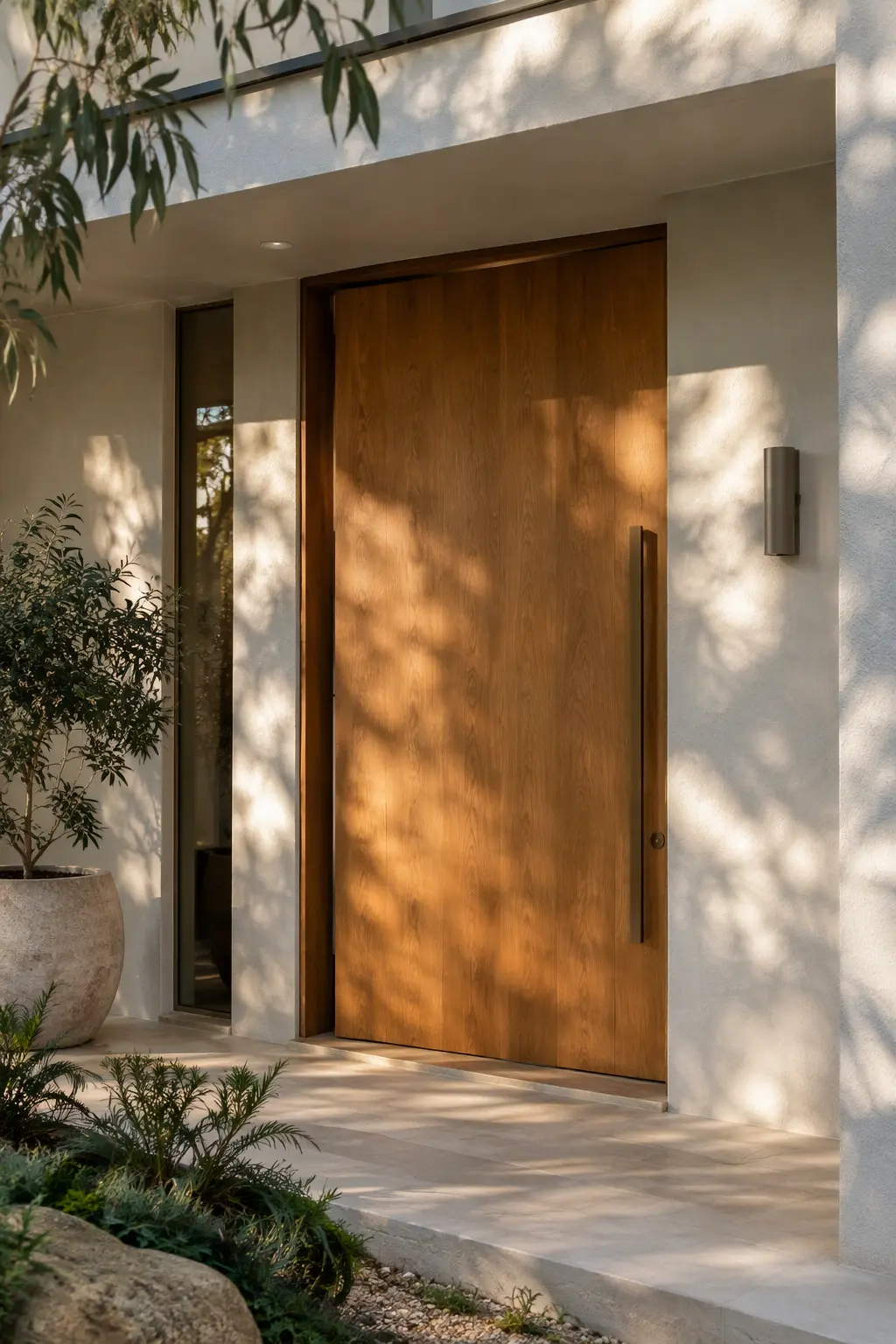
Moving into a new home involves a long list of jobs: connecting the power, redirecting mail, finding the kettle. Locks rarely make the list until something goes wrong. Yet the day you move in is the best time to sort them out, because it is the moment you know least about who else can get in. This checklist walks you through the lock and key jobs to do in your first weeks, in order.
It applies whether you have bought a house in Baulkham Hills, a new build in Kellyville, an apartment in Castle Hill or a rental anywhere in the Hills District.
Why the locks matter on moving day
When you move into a home, you are handed a set of keys. What you are not handed is a list of everyone else who has ever had one. Over the years, keys to a home are commonly given to:
- previous owners and their family members
- friends and neighbours who fed the cat
- cleaners, gardeners and dog walkers
- builders and tradespeople
- real estate agents and property managers
- previous tenants, and anyone they gave a copy to
Most of those people are perfectly trustworthy. You just have no way of knowing how many keys exist or where they are now. The simplest way to remove the doubt is to make all of those old keys useless.
Step 1: count every door
Before deciding anything, walk around the property and count every way in. On a typical Hills District house that might include:
- the front door, which may have both an entry set and a deadlock
- the back door
- sliding doors to the yard or patio
- the laundry door
- the door from the garage into the house
- the garage itself, including any side door
- side gates
- a granny flat, studio or shed
It is very common for people to rekey the front door and forget the laundry or garage door. Those forgotten doors then remain open to every old key.
Step 2: test every lock
With the keys you were given, try every lock. Check that:
- each key turns smoothly
- each door closes and latches without being pushed or lifted
- each deadlock throws its bolt fully
- you actually have a key for every lock
Make a note of any lock that sticks, any door that drags, and any lock you have no key for. Those details help a locksmith quote accurately.
Step 3: decide rekey or replace
For each lock, the choice is usually simple.
- Works well and you like it? Rekey it. The hardware stays; old keys stop working.
- Worn, stiff or damaged? Repair or replace it.
- Missing a lock where you want one? Add one.
Most people find that rekeying covers the majority of their doors. Our guide to whether to rekey or replace explains the decision in more detail, and our lock rekeying page explains how it works.
Step 4: go to one key if you can
Moving is the ideal time to reduce your key ring. If your locks use compatible cylinders, they can usually be rekeyed to one key at the same time. Front door, back door, laundry and garage on one key makes daily life noticeably easier.
If one lock is not compatible, you can either keep a separate key for it or replace that one lock with a compatible one.
Step 5: check the garage
Garages are one of the most common ways into a house. Check:
- the lock on the internal door from the garage into the house
- any side door into the garage
- the garage door remote, and how many remotes exist
Garage remotes are not a locksmith job, but they are part of the same question. If you do not know how many remotes are out there, contact the garage door company about recoding.
Step 6: look at windows
Check whether ground-floor windows have locks, and whether the keys came with the house. Painted-over or seized window locks are common in older homes. If you have young children, check upstairs windows for restrictors. Our article on window safety locks in NSW and our window locks page explain the options.
Step 7: deal with sliding doors
Sliders are often the weakest door on the house. Clean the track, check that the latch catches without lifting or pushing, and gently test whether the closed door can be lifted. Our sliding door locks guide covers what to look for.
Step 8: decide who gets keys
Once the locks are rekeyed, you have a fresh start. Think about who genuinely needs a key:
- each adult in the household
- perhaps one trusted neighbour or family member nearby
- anyone who regularly needs access, such as a cleaner
Keep a short list of who has a key. It makes the next change much easier.
Step 9: put spares somewhere sensible
Do not hide a spare under the doormat, in the letterbox or in a fake rock. Those are the first places anyone looks. Leave a spare with someone you trust who lives nearby.
For new builds
If you have bought a newly built home, keys may have passed through the builder, site supervisors, trades and display staff. Some builders use construction keying that changes at handover, but you cannot always be sure. Rekeying the external doors when you move in is worth considering even on a brand new house.
For apartments
In apartments, your unit door key may also open the lobby, car park or mailbox through a master key system. Before rekeying, check with the building manager so your key keeps working on common doors. Our guide to apartment security in Castle Hill has more.
For renters
If you are moving into a rental, you will usually need the landlord's agreement before changing or rekeying locks, and the landlord will need a key. You can ask whether the locks were rekeyed after the previous tenant. Our guide to landlord and tenant lock change rules in NSW explains the rules.
When to book the locksmith
Ideally, book the locksmith for moving day or the first few days after. Many people arrange it for the same day as settlement so they sleep the first night knowing they hold the only working keys.
To help us quote:
- Tell us how many doors and which ones.
- Send photos of each lock, inside and out.
- Tell us whether you want everything on one key.
- Mention any stiff or damaged locks.
- Tell us how many keys you need.
The checklist in short
- Count every door.
- Test every lock.
- Rekey good locks; repair or replace bad ones.
- Put doors on one key where possible.
- Check the garage and its remotes.
- Check windows and restrictors.
- Check sliding doors.
- Decide who gets keys and record it.
- Store spares with someone you trust.
Common questions
Do I really need to rekey a house I just bought? It is not compulsory, but you have no way of knowing who else holds a key. Rekeying removes the doubt.
Is rekeying cheaper than new locks? Usually, because the hardware stays.
Can it be done on settlement day? Often, yes. Book ahead and tell us the address and timing.
How many keys should I get? One per adult, plus one spare kept with someone you trust.
Book your move-in rekey
Castle Hill Locksmith Service rekeys homes across Castle Hill, Baulkham Hills, Kellyville, Bella Vista, Norwest and Cherrybrook. Call 02 5023 3726, open 7 days, 7:00am to 10:00pm, or request a quote with photos. We are at 4 Mandala Parade, Castle Hill NSW 2154. Read about our residential locksmith and lock replacement services too.
Need a locksmith in Castle Hill?
Call Castle Hill Locksmith Service on 02 5023 3726. Open 7 days, 7:00am – 10:00pm.